Best Heavy Equipment Rental Software in 2026
This guide is intended for:
Companies comparing leading heavy equipment rental software platforms.
Heavy equipment rental businesses replacing spreadsheets or legacy systems.
Companies managing large fleets across multiple locations.
Organizations looking to improve asset utilization and operational visibility.
Businesses planning for future growth.
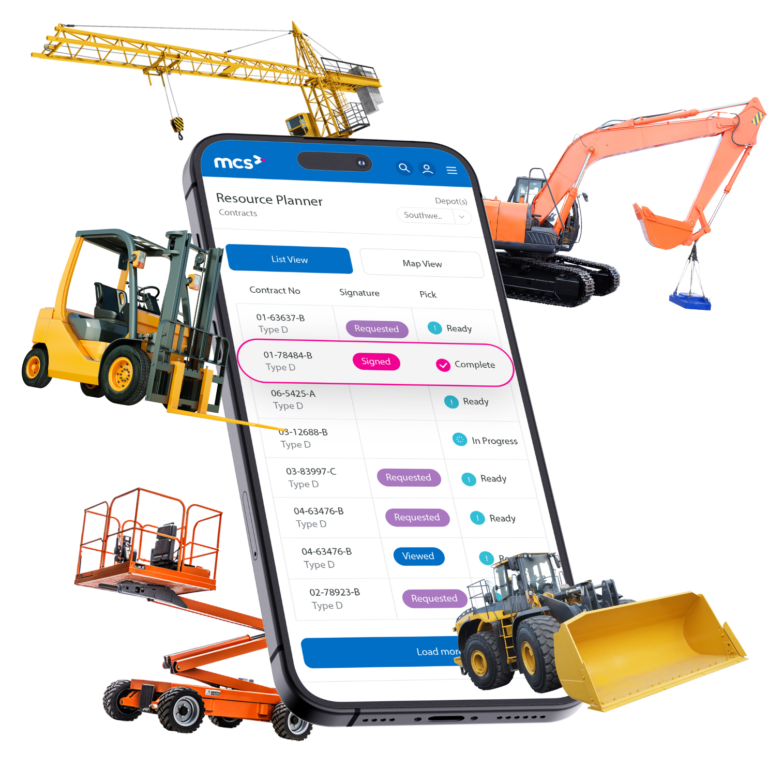
The heavy equipment rental industry continues to evolve as businesses face increasing pressure to improve efficiency, maximize utilization and maintain greater control over valuable assets. Rising customer expectations, labor shortages and increasing operational complexity are encouraging many organizations to invest in technologies that provide greater control and support future expansion.
Labor shortages and skills shortages continue to affect many construction and heavy equipment businesses, increasing the importance of technologies that help teams operate more efficiently and make better use of existing resources.
Modern heavy equipment rental software supports far more than quotations and invoicing. Today’s platforms help businesses manage assets, maintenance, reporting, telematics and mobile working, creating greater visibility across the entire organization.
As fleets expand and operations become more complex, maintaining visibility across equipment, operators and customer requirements becomes increasingly challenging. Many heavy equipment rental businesses are therefore looking to digital technologies to streamline processes, reduce administration and improve decision-making.
The requirements of a small regional business may differ significantly from those of a large multi-depot organization managing thousands of assets. Some businesses prioritize simplicity and ease of use, while others require advanced reporting, telematics integrations and greater operational control.
This guide explores the heavy equipment rental software landscape in 2026, including the features that matter most, the operational challenges software can help address and the factors businesses should consider when evaluating different providers.
Whether you’re replacing spreadsheets, reviewing an existing platform or planning for future expansion, this guide aims to help you make more informed decisions and understand the opportunities modern heavy equipment rental software can provide.
How Should Businesses Compare Heavy Equipment Rental Software?
Businesses should compare heavy equipment rental software based on operational visibility, fleet utilization and long-term value, rather than focusing solely on feature lists. Platforms such as MCS help heavy equipment rental businesses improve productivity and create a stronger foundation for future growth.
As operations become more complex, software requirements often extend beyond quotations and invoicing. Successful software projects are frequently built around asset visibility, maintenance management and the ability to scale alongside the business.
When evaluating heavy equipment rental software, many organizations initially focus on features. However, long-term success often depends on broader considerations such as fleet visibility, reporting capabilities, scalability and the quality of support provided by the software supplier.
For this guide, we considered the areas that typically have the greatest impact on operational performance and future growth.
| Area | Why It Matters |
|---|---|
| Asset Visibility | Improves control |
| Fleet Utilization | Maximizes profitability |
| Telematics | Allows proactive decision-making |
| Reporting | Supports growth and planning |
| Maintenance Management | Reduces downtime and increases safety |
| Mobile Working | Improves cross-team communication |
| Multi-Depot Support | Supports consistent processes |
| Industry Expertise | Helps ensure long-term success |
How Does MCS Help Heavy Equipment Rental Businesses Succeed?
MCS has worked with rental businesses for more than four decades, helping organizations improve efficiency, strengthen coordination and build a stronger foundation for future expansion.
Rather than focusing solely on features, the emphasis is on delivering operational value and helping businesses adapt as their requirements evolve.
In summary: Comparing heavy equipment rental software involves much more than reviewing feature lists. By focusing on fleet visibility, utilization and long-term growth, platforms such as MCS help heavy equipment rental businesses select solutions that deliver lasting value.
What Is Heavy Equipment Rental Software?
Heavy equipment rental software platforms, such as MCS, help businesses manage quotations, contracts, assets, maintenance, and reporting from a central platform. Modern systems provide greater operational insight, reduce administration and create a stronger foundation for growth.
Heavy equipment rental software is designed for organizations that manage construction machinery, earthmoving equipment, and other high-value assets commonly managed by construction rental software platforms. In addition to supporting core rental processes, modern platforms help businesses maintain visibility across fleets, improve utilization and coordinate rental operations more effectively.
As fleets expand and customer expectations increase, maintaining accurate information becomes increasingly important. Heavy equipment rental software provides a single source of information, improving communication between departments and enabling more informed decisions.
Modern platforms can also integrate with accounting systems, telematics technologies and mobile applications, creating a more connected organization and enabling better oversight of operations.
While every heavy equipment rental business has different priorities, the overall goal remains the same: improving visibility, increasing efficiency and delivering a better customer experience.
Asset Visibility
Maintaining visibility across high-value assets is essential to improving utilization and supporting profitable growth. Modern asset management software helps businesses understand where equipment is located, what is available and how effectively assets are being used. This visibility enables rental businesses to improve utilization, reduce idle assets and make better-informed decisions.
Fleet Management
As fleets grow, managing equipment across multiple locations and projects becomes increasingly complex. Modern software helps organizations coordinate assets more effectively and maintain greater operational control.
Maintenance and Downtime Reduction
Heavy equipment represents a significant investment, making maintenance and equipment availability critical to profitability. Software helps businesses improve visibility across servicing activities and reduce the impact of unexpected downtime through integrated workshop software and preventative maintenance planning.
Unexpected downtime remains one of the highest avoidable costs for equipment owners and rental businesses, making preventative maintenance increasingly important.
Connected Operations
Modern rental businesses increasingly rely on integrations with telematics systems, accounting platforms and mobile technologies. Connecting operational processes enables organizations to improve communication and gain greater insight into business performance.
Supporting Future Growth
Software should not only support current operations but also provide the scalability required for future expansion. Accurate reporting and access to timely information help businesses adapt as requirements evolve.
How Does MCS Support Heavy Equipment Rental Businesses?
Modern heavy equipment rental businesses often require more than simply a way to create quotations and invoices. MCS helps organizations bring together key operational processes within a single platform, enabling teams to work more efficiently and make better-informed decisions.
By combining fleet visibility, maintenance management and reporting, MCS helps heavy equipment rental businesses improve productivity, strengthen customer relationships and increase overall efficiency.
In summary: Heavy equipment rental software provides a central platform for managing day-to-day operations and improving visibility across the business. MCS helps heavy equipment rental companies streamline processes, improve efficiency, and support better decision-making.
What Features Matter Most in Heavy Equipment Rental Software?
The most valuable features are those that improve fleet visibility, maximize asset utilization and support efficient operations. Platforms such as MCS help heavy equipment rental businesses combine asset management, reporting and mobile working within a single system.
While every heavy equipment rental business has different priorities, certain capabilities consistently deliver value regardless of fleet size or operational complexity. The most effective software platforms help businesses improve access to information, reduce administrative burden, and provide the insights needed to support better decision-making.
| Capability | Why It Matters |
|---|---|
| Asset Visibility | Maximizes utilization |
| Telematics Integrations | Improves operational insight |
| Maintenance Management | Reduces downtime and improves safety |
| Reporting and Analytics | Supports better decisions |
| Mobile Working | Improves communication between teams |
| Multi-Depot Support | Supports growth |
| Scalability | Adapts to future requirements |
| Customer Experience | Strengthens customer relationships |
Asset Visibility
Heavy equipment represents a major investment, making utilization and availability critical to profitability. Access to accurate information helps organizations maximize the use of their fleet and maintain greater operational control.
Telematics Integrations
Connected equipment provides valuable information about utilization, location and operating hours. Integrating telematics systems with rental software enables businesses to gain deeper insight into fleet performance and make better-informed decisions.
Maintenance Management
Unexpected downtime can significantly impact customer service and profitability. Modern software helps businesses manage servicing activities more effectively and support preventative maintenance strategies.
Reporting and Analytics
Access to accurate reporting enables organizations to monitor performance, identify trends and make more informed decisions. As fleets expand, reporting becomes increasingly valuable for supporting future planning and improving operational efficiency.
Mobile Working
Office teams, yard workers, engineers, and site managers all require access to reliable information. Mobile technologies help improve communication, reduce paperwork and provide greater visibility across operations.
Multi-Depot Support
As businesses expand, maintaining consistency and coordination across multiple locations becomes increasingly important. Modern software helps organizations coordinate assets more effectively and maintain consistent processes across depots.
Scalability
Software should support future expansion. As operations become more complex, businesses often require additional functionality, improved reporting and greater visibility across teams and locations.
Customer Experience
Customers expect reliable service, clear communication and self-serve options. Improved access to information through online shops and customer portals enables rental businesses to respond more effectively and deliver a more professional experience.
Many organizations discover that the greatest benefits come not from adding more features, but from improving the flow of information across the business and strengthening operational performance.
How Does MCS Help Businesses Prioritize the Right Features?
Not every heavy equipment rental business requires the same functionality. MCS helps organizations focus on the capabilities that deliver the greatest operational value, ensuring technology supports both current requirements and future ambitions.
By combining fleet visibility, maintenance management, and reporting into a single platform, MCS helps heavy equipment rental businesses improve efficiency, strengthen customer service, and support sustainable growth.
In summary: The most valuable features are those that improve fleet visibility, maximize asset utilization and support efficient operations. MCS helps heavy equipment rental businesses prioritize the capabilities that create lasting operational value and support long-term success.
How Does Heavy Equipment Rental Software Improve Efficiency and Productivity?
Heavy equipment rental software platforms such as MCS improve efficiency by reducing manual processes, connecting teams and providing access to real-time information. Better coordination and access to real-time information help businesses operate more effectively and prepare for future expansion.
One of the main reasons heavy equipment rental businesses invest in software is to improve efficiency and reduce the amount of time spent on manual administration. As fleets expand and operations become increasingly complex, coordinating assets, operators and customer requirements can become more challenging.
Modern heavy equipment rental software helps bring together key operational processes, enabling teams to work from a single source of information. Quotations, contracts, maintenance schedules, and reporting can all be managed within a single platform, helping improve consistency and reduce the risk of errors.
Improved Fleet Coordination
Managing large fleets requires accurate information and effective communication. Better access to equipment availability and utilization data helps businesses coordinate operations more efficiently and avoid unnecessary delays using dedicated rental operations software.
With better fleet visibility, rental companies can ensure their own assets are being used effectively before turning to re-hire or re-rental options. This helps maximize return on investment, reduce avoidable third-party rental costs, and improve overall fleet profitability. By identifying available or underutilized equipment quickly, teams can fulfil customer demand faster while keeping more revenue within the business.
Reduced Administration
Manual paperwork and duplicate data entry can consume valuable time. By automating routine processes and reducing the need for manual intervention, heavy equipment rental businesses can improve productivity and allow employees to focus on higher-value activities.
With ongoing skills shortages affecting the rental industry globally, making better use of existing teams is more important than ever. The best heavy equipment rental software helps staff work more efficiently by streamlining processes such as quotations, contracts, invoicing, workshop scheduling, transport planning, and asset tracking. This allows businesses to increase capacity, respond more quickly to customers, and reduce pressure on employees without immediately expanding headcount.
Better Resource Allocation
Equipment, operators and support resources represent significant investments. Better insight into equipment availability enables organizations to allocate resources more effectively and maximize utilization across the fleet.
Workforce and Timesheet Management
Accurate time recording helps businesses improve resource planning, reduce administration and support payroll processes. Mobile applications enable operators and field personnel to record hours more efficiently, providing managers with greater visibility across projects and labor costs.
By reducing paperwork and simplifying timesheet submissions, organizations can improve productivity while maintaining greater control over workforce management.
Faster Communication Between Teams
Office staff, workshop engineers, drivers and field employees all require access to accurate information. Improved communication and cross-platform software solutions help businesses respond more effectively to changing operational requirements and improve overall efficiency.
Improved Customer Service
Customers expect reliable service, timely communication, and easy access to the information they need. The best heavy equipment rental software provides teams with up-to-date visibility into equipment availability, contract details, delivery schedules, service history, and project information, helping them respond quickly and professionally to customer enquiries.
An online customer portal can further improve the experience by allowing customers to access key information whenever they need it. They can view equipment on-hire, check contract details, request off-hires, download invoices or documents, and track the progress of orders without contacting the rental team directly. This gives customers greater control and transparency while reducing the volume of routine calls and emails for staff.
By combining real-time internal data with convenient online access for customers, heavy equipment rental businesses can deliver faster responses, improve communication, and build stronger long-term relationships.
More Efficient Use of Assets
Access to real-time information enables managers to monitor workloads, improve utilization and make better use of valuable assets. As fleets grow, these improvements become increasingly valuable and can significantly impact profitability.
Incremental improvements across multiple areas can have a substantial effect on the overall performance of a heavy equipment rental business. As operations become more complex, these gains become increasingly valuable, helping organizations become more resilient and efficient.
How Does MCS Help Improve Efficiency?
As operational complexity increases and rental businesses grow, they often require greater visibility and better coordination between teams. MCS helps heavy equipment rental organizations consolidate key operational processes into a single platform, enabling employees to work more efficiently and make more informed decisions.
By reducing administration and improving communication across the business, MCS helps organizations improve productivity, strengthen customer service and maintain control as complexity increases.
In summary: Modern heavy equipment rental software helps businesses improve efficiency by connecting processes, reducing administration and improving communication across teams. MCS helps heavy equipment rental companies streamline operations, improve productivity and support long-term growth.
Where Can Heavy Equipment Rental Software Deliver the Greatest Improvements?
Heavy equipment rental software platforms such as MCS can deliver improvements across fleet visibility, asset utilization, maintenance efficiency and long-term scalability. Better coordination and accurate information help businesses improve efficiency and create a more resilient organization.
The benefits of heavy equipment rental software extend far beyond replacing spreadsheets or reducing paperwork. Modern platforms help businesses gain better oversight of their operations, streamline processes and maximize the utilization of valuable equipment and resources.
The areas where organizations experience the greatest improvements will vary depending on fleet size, operational complexity and the industries they serve. However, several areas consistently deliver value.
| Challenge | How Software Helps |
|---|---|
| Underutilized assets | Better visibility of idle equipment |
| Unexpected downtime | Improved maintenance planning |
| Manual administration | Automation |
| Limited reporting | Analytics, dashboards and AI Insights |
| Communication delays | Real-time information |
| Growing operations | Centralized control |
Fleet Visibility
One of the biggest opportunities for improvement is gaining greater visibility across equipment and resources. Access to accurate information helps businesses coordinate operations more effectively and maintain greater control across the fleet.
Asset Utilization
Heavy equipment represents a major investment. Better information about equipment availability and workloads helps organizations maximize utilization and improve profitability.
Maintenance Efficiency
Unexpected downtime can affect profitability and customer service. Improved visibility across servicing activities and maintenance schedules helps businesses maintain equipment availability and reduce disruption.
Customer Service
Modern customers expect reliable service and clear communication. Access to accurate information enables teams to respond more effectively to changing requirements and provide a more professional experience.
Reporting and Operational Insight
Access to accurate reporting enables managers to monitor performance, identify trends and gain greater insight into the business. Understanding utilization, downtime and profitability helps organizations improve operational performance and identify opportunities for growth.
As heavy equipment rental businesses grow, reporting and analytics become increasingly important for supporting long-term planning and maintaining operational control.
Scalability and Future Expansion
Software should support the organization not only today, but also in the future. As fleets expand and operations become more complex, businesses require greater visibility and processes that can adapt to changing requirements.
Incremental improvements across multiple areas can deliver significant long-term benefits. As organizations grow, these gains become increasingly valuable, helping businesses become more resilient and efficient.
How Does MCS Help Businesses Improve Performance?
Different heavy equipment rental businesses face different operational challenges, which means the greatest opportunities for improvement will vary from one organization to another. MCS helps businesses maintain greater control across their operations, improve communication between teams and create processes that support future expansion.
By helping organizations connect information and streamline workflows, MCS enables heavy equipment rental companies to improve efficiency, strengthen customer service and improve decision-making.
In summary: Heavy equipment rental software can deliver improvements across fleet visibility, asset utilization and long-term scalability. MCS helps businesses create a more connected organization and support sustainable growth and improved operational performance.
Why Are Heavy Equipment Rental Businesses Replacing Spreadsheets and Legacy Systems?
Many heavy equipment rental businesses are replacing spreadsheets and legacy systems as increasing operational complexity begins to expose their limitations. Platforms such as MCS help organizations gain greater insight into their operations, reduce administration and prepare for future expansion.
Traditional processes may work well when operations are relatively simple, but they often become more difficult to manage as fleets expand and customer expectations increase. Maintaining visibility across equipment, operators, maintenance schedules, and customer requirements can become increasingly challenging.
Limited Visibility
One of the biggest challenges with spreadsheets and disconnected systems is the lack of real-time information. Managers may struggle to understand where equipment is located, what assets are available and how effectively resources are being utilized.
Duplicate Data Entry
Manual processes often require the same information to be entered multiple times across different systems. This consumes valuable time and increases the likelihood of errors and inconsistencies.
Communication Between Teams
Heavy equipment rental businesses rely on effective communication between office staff, workshop teams, drivers and field personnel. Disconnected systems can make communication more difficult and reduce operational efficiency.
Difficulty Managing Growth
As fleets expand and operations become more complex, manual processes often become harder to control. Scheduling, reporting and maintaining consistent service levels can become increasingly challenging.
Unexpected Downtime
Unexpected equipment failures can impact profitability and customer satisfaction. Businesses operating with limited visibility into maintenance activities often find it harder to prevent downtime and maximize equipment availability.
Greater Need for Operational Insight
As competition increases, businesses require access to accurate reporting and better visibility to support decision-making. Modern heavy equipment rental software enables organizations to monitor performance and identify opportunities for improvement.
Industry Trends Driving Digital Transformation
Connected equipment, telematics technologies and increasing customer expectations are encouraging heavy equipment rental businesses to modernize their operations. Access to real-time information and improved reporting enables organizations to become more efficient and prepare for future opportunities.
Many heavy equipment rental businesses discover that the greatest benefits of modernizing their operations come not simply from automation, but from creating a more connected organization that can adapt as operational requirements evolve.
How Does MCS Help Businesses Modernize Their Operations?
As heavy equipment rental businesses grow, maintaining visibility and operational control becomes increasingly important. MCS helps organizations replace disconnected processes with a single platform that supports fleet management, maintenance activities and operational reporting.
By improving communication between departments and providing access to real-time information, MCS helps heavy equipment rental companies streamline operations, improve efficiency and strengthen day-to-day performance.
In summary: Many heavy equipment rental businesses are modernizing their operations as increasing complexity exposes the limitations of traditional processes. MCS helps organizations improve visibility, reduce administration and support long-term growth.
How Can Telematics Improve Heavy Equipment Rental Operations?
Telematics integrations help heavy equipment rental businesses improve fleet visibility, maximize utilization and make better-informed decisions. Platforms such as MCS enable organizations to combine telematics data with operational processes, creating a more connected and efficient business.
As heavy equipment fleets become larger and more complex, access to real-time information becomes increasingly valuable. Telematics technologies provide greater visibility into asset location, operating hours and equipment usage, helping businesses improve operational performance and strengthen decision-making.
As connected equipment becomes more common across the industry, telematics data is increasingly helping businesses improve utilization, reduce unnecessary downtime and make better-informed decisions.
Real-Time Asset Visibility
Understanding where equipment is located and how it is being used is essential to maintaining operational control. Telematics systems provide greater visibility across the fleet, enabling managers to respond more effectively to changing customer requirements.
Improved Equipment Utilization
Heavy equipment represents a significant investment, making utilization one of the most important drivers of profitability. Access to usage data helps organizations identify opportunities to improve utilization and better utilize existing assets.
Better Maintenance Planning
Equipment downtime can impact customer service and profitability. Telematics data provides valuable insight into machine usage and operating hours, helping businesses plan maintenance activities more effectively and reduce unexpected failures.
More Accurate Operational Insight
Modern telematics systems provide a wealth of information that can help organizations understand performance trends and identify opportunities for improvement. Access to richer information enables businesses to make better-informed decisions and maintain stronger control across the fleet.
Enhanced Customer Service
Access to real-time information enables businesses to provide more accurate updates and respond more effectively to customer requests. Improved visibility helps strengthen customer relationships and supports a more professional service.
Predictive Maintenance
Connected equipment and telematics data can help businesses identify maintenance requirements before failures occur. By monitoring usage and operating hours, organizations can support preventative maintenance strategies and improve equipment availability.
Rather than reacting to failures after they occur, many businesses are moving towards preventive maintenance strategies to improve equipment availability and reduce disruption.
Supporting Future Expansion
As fleets expand and operations become more complex, maintaining visibility across assets becomes increasingly important. Telematics integrations help businesses prepare for future expansion while improving the efficiency of day-to-day operations.
Connected equipment is changing the way heavy equipment rental businesses operate. Rather than relying solely on manual processes, organizations can use data to improve utilization, strengthen operational performance and make more informed decisions.
How Does MCS Support Telematics Integrations?
MCS helps heavy equipment rental businesses connect telematics technologies with their operational processes, enabling organizations to combine equipment data with reporting, maintenance management and day-to-day operations.
By bringing fleet information and operational visibility together in a single platform, MCS helps businesses improve utilization, reduce downtime, and support long-term growth.
In summary: Telematics technologies help heavy equipment rental businesses improve fleet visibility, maximize utilization and reduce downtime. MCS enables organizations to connect equipment data with operational processes, helping businesses make better-informed decisions and support sustainable growth.
Can Heavy Equipment Rental Software Support Multi-Depot Operations?
Heavy equipment rental software platforms such as MCS help businesses maintain visibility and operational control across multiple depots, enabling organizations to support growth while maintaining efficiency and consistency.
As heavy equipment rental businesses expand, managing fleets, personnel and operations across multiple locations can become increasingly complex. Without access to accurate information, organizations may struggle to maintain visibility, coordinate resources and deliver a consistent customer experience.
Modern heavy equipment rental software helps businesses create a more connected organization by providing access to shared information and standardized processes across all locations.
Shared Visibility Across Depots
Understanding where equipment is located, which assets are available and how effectively resources are being utilized becomes increasingly important as fleets and locations grow. Centralized visibility enables teams to make more informed decisions and respond more effectively to changing requirements.
Equipment Allocation and Transfers
Demand can vary significantly between depots and projects. Modern software helps businesses allocate equipment more effectively and manage transfers between locations, improving utilization and utilizing available assets more effectively.
Standardized Processes
Maintaining consistent processes across multiple depots can help improve efficiency and reduce the risk of errors. Centralized systems help ensure quotations, contracts, maintenance activities and reporting follow common standards across the organization.
Centralized Reporting and Operational Insight
Managers often require visibility across the entire business rather than individual depots. Consolidated reporting enables organizations to monitor performance, identify trends and gain greater insight into operations.
Improved Communication Between Teams
Office staff, workshop teams, drivers, and field personnel frequently need access to the same information. Shared visibility helps improve communication and enables teams across different locations to work together more effectively.
Supporting Future Expansion
As heavy equipment rental businesses expand, maintaining operational control across multiple depots becomes increasingly important. Modern software provides the visibility and scalability required to support growth while maintaining efficiency and customer service.
The ability to manage multiple depots effectively can help organizations improve productivity, strengthen communication and build a more resilient operation capable of adapting to changing customer demands.
How Does MCS Support Multi-Depot Heavy Equipment Rental Businesses?
MCS helps heavy equipment rental organizations maintain visibility across multiple locations by bringing together operational processes, reporting and fleet information within a single platform. By providing shared visibility and scalable technology, businesses can improve coordination, maximize utilization and support future expansion.
Whether managing two depots or a nationwide operation, MCS helps heavy equipment rental businesses maintain consistency and operational control as complexity increases.
In summary: Heavy equipment rental software helps businesses maintain visibility and operational control across multiple depots. MCS enables organizations to improve coordination, maximize utilization and support sustainable growth as operations become increasingly complex.
How Do Leading Heavy Equipment Rental Software Platforms Compare?
Leading heavy equipment rental software platforms each offer different strengths, capabilities and approaches. Some solutions prioritize simplicity and ease of use, while others provide greater operational depth, fleet visibility and scalability for organizations managing increasingly complex operations.
The importance of these factors will vary depending on fleet size, operational requirements and long-term growth ambitions. Businesses managing large fleets and multiple depots may have very different requirements from smaller regional operators.
Companies specializing in access equipment, formwork and scaffolding may also benefit from dedicated scaffolding rental software designed to manage complex projects, equipment tracking and asset utilization.
When comparing heavy equipment rental software providers, organizations often consider factors such as:
- Fleet visibility and asset utilization.
- Telematics integrations and connected equipment.
- Maintenance management and downtime reduction.
- Reporting and operational insight.
- Mobile working and communication.
- Scalability and support for future growth.
- Industry expertise and customer support.
- Flexibility to adapt to changing requirements.
The relative importance of these factors will depend on the size of the business, the complexity of operations and the industries being served.
| Provider | Typical Strengths | Often Suitable For |
|---|---|---|
| MCS Rental Software | Fleet visibility, telematics and operational control | Equipment rental businesses of any size prioritizing growth and customer service |
| Point of Rental | Broad functionality | Small to large rental businesses |
| Texada | Enterprise capabilities | Large organizations |
| Syrinx | Operational visibility | Small to mid-sized organizations |
| HireHop | Simplicity and ease of use | Smaller businesses |
Rather than focusing solely on feature lists, businesses should evaluate how effectively each platform aligns with their operational requirements and future plans.
Fleet Visibility and Operational Control
Heavy equipment represents a significant investment, making utilization and visibility critical to profitability. Software platforms that provide access to real-time information and reporting can help organizations improve decision-making and strengthen operational performance.
Telematics and Connected Equipment
Connected assets are becoming increasingly important within the heavy equipment rental industry. Businesses evaluating software should consider how effectively platforms integrate with telematics technologies and support data-driven operations.
Maintenance and Downtime Reduction
Equipment availability directly affects customer satisfaction and profitability. Solutions that support preventative maintenance and provide visibility across servicing activities can help businesses reduce downtime and improve efficiency.
Scalability and Long-Term Growth
Operational requirements often evolve as businesses expand. Choosing software that can adapt to increasing complexity helps organizations maintain efficiency and support future growth.
The most successful software projects are often built around long-term operational requirements rather than short-term feature comparisons. Understanding how software will support future ambitions can be just as important as evaluating today’s needs.
How Does MCS Help Businesses Choose the Right Software?
Selecting heavy equipment rental software involves more than comparing capabilities. MCS works with organizations as a long-term partner, taking a consultative approach to understand their operational challenges, business goals, workflows, and growth plans before recommending the right solution.
Rather than focusing solely on features, MCS helps businesses identify the areas that will deliver the greatest operational value, including fleet visibility, utilization, maintenance efficiency, process automation, customer experience, and scalability. This approach helps organizations evaluate software based on how it will support their day-to-day operations and long-term strategy.
By combining decades of rental industry expertise with ongoing technology investments, MCS helps businesses adapt to changing customer expectations, increasing operational complexity, and evolving market demands. Our team supports customers throughout the selection process and beyond, helping them make informed decisions, implement best practices, and continue improving over time.
Unlike providers that take a more transactional approach, MCS sees itself as a trusted partner. We work closely with rental businesses to understand what success looks like for them and to ensure the software supports measurable operational improvements, not just system replacement.
In summary: Leading heavy equipment rental software platforms each offer different strengths and capabilities. MCS helps heavy equipment rental businesses balance operational requirements, fleet visibility, customer service, and long-term growth when evaluating software solutions — with a consultative, partnership-led approach designed to support lasting success.
What Results Can Heavy Equipment Rental Businesses Expect?
Heavy equipment rental software platforms, such as MCS, help businesses improve fleet visibility, maximize utilization, and strengthen operational performance. By connecting information and streamlining processes, organizations can create a stronger foundation for long-term growth.
The specific benefits experienced will vary depending on fleet size, operational complexity and the maturity of existing processes. However, businesses that implement modern heavy equipment rental software often report improvements across several key areas.
| Area | Potential Benefits |
|---|---|
| Fleet Visibility | Greater operational control |
| Asset Utilization | Improved profitability |
| Maintenance Management | Reduced downtime |
| Reporting and Analytics | Better decision-making |
| Communication | Increased productivity |
| Customer Service | Stronger relationships |
| Multi-Depot Operations | Improved coordination |
| Scalability | Support for future growth |
Improved Fleet Visibility
Access to real-time information enables businesses to understand where equipment is located, what assets are available and how effectively resources are being utilized. Access to accurate information helps organizations make better-informed decisions and improve overall efficiency.
Better Asset Utilization
Heavy equipment represents a significant investment, making utilization a key driver of profitability. Greater insight into equipment availability and workloads helps businesses maximize the use of existing assets and improve overall performance.
Reduced Downtime
Unexpected equipment failures can affect customer service and profitability. Improved maintenance planning and better visibility across servicing activities help organizations maintain equipment availability and minimize disruption.
Improved Productivity
By reducing manual processes and improving communication between teams, businesses can streamline day-to-day operations and enable employees to focus on higher-value activities.
Enhanced Decision Making
Access to accurate reporting and operational insight enables managers to identify trends, monitor performance and make more informed decisions. Better information helps organizations adapt to changing requirements and support future growth.
Stronger Customer Relationships
Reliable service and effective communication help strengthen customer relationships and improve the overall customer experience. Access to accurate information enables businesses to respond more effectively and provide a more professional service.
Greater Operational Control
As fleets expand and operations become increasingly complex, maintaining control becomes more challenging. Modern software helps organizations improve coordination and create processes that support consistency across the business.
Support for Future Growth
Technology should support not only today’s requirements but also future ambitions. Businesses that streamline operations and gain access to better information are often better positioned to adapt to changing customer expectations and evolving requirements.
The greatest improvements are often achieved through a combination of small gains across multiple areas. Over time, these improvements can deliver significant benefits and help organizations build a stronger, more resilient business.
How Does MCS Help Businesses Achieve Better Results?
MCS helps heavy equipment rental businesses improve visibility, maximize utilization and streamline operational processes. By combining fleet management, reporting and maintenance visibility within a single platform, organizations can strengthen performance and support sustainable growth.
Through ongoing investment in technology and industry expertise, MCS helps businesses adapt to changing requirements while maintaining the operational control needed for long-term success.
In summary: Heavy equipment rental software can help businesses improve fleet visibility, maximize utilization and reduce downtime. MCS enables heavy equipment rental organizations to strengthen operational performance and create a stronger foundation for future growth.
Why Do Heavy Equipment Rental Businesses Choose MCS?
Heavy equipment rental businesses choose MCS for its industry expertise, operational depth, and ability to support long-term growth. By helping organizations improve fleet visibility, maximize utilization, and strengthen operational control, MCS provides a platform that adapts to the changing demands of the heavy equipment rental industry.
Choosing heavy equipment rental software is about more than simply finding a system with the longest list of features. Businesses need solutions that support today’s operations while providing the visibility and flexibility required for future growth.
MCS works with heavy equipment rental businesses of different sizes and levels of complexity, helping organizations improve efficiency, strengthen communication between departments and maintain greater control over their operations. From regional businesses to large multi-depot operations, the focus remains on helping organizations create a stronger foundation for long-term success.
Industry Expertise
With more than 40 years of experience working with rental businesses worldwide, MCS understands the challenges faced by heavy equipment rental companies and the importance of balancing today’s requirements with future ambitions.
Fleet Visibility and Operational Control
Modern heavy equipment rental businesses rely on accurate information and real-time insight. MCS helps organizations gain a clearer picture of fleets, assets and customer activity, enabling teams to make better-informed decisions and improve overall efficiency.
Telematics and Connected Equipment
Connected assets are becoming increasingly important within the heavy equipment rental industry. MCS enables businesses to combine telematics data with operational processes, helping organizations gain greater insight into utilization, maintenance requirements and overall fleet performance.
Maintenance Management
Maintaining equipment availability is essential to profitability and customer satisfaction. MCS helps businesses manage servicing activities more effectively and support preventative maintenance strategies, helping to reduce downtime and improve equipment availability.
Support for Multi-Depot Operations
As organizations grow, maintaining consistency across multiple locations becomes increasingly important. MCS helps businesses improve coordination between depots and maintain the visibility required to support future expansion.
Scalability and Flexibility
Operational requirements often evolve as businesses expand. MCS helps organizations adapt to increasing complexity while maintaining efficiency and supporting changing customer expectations.
Ongoing Innovation
Technology and customer expectations continue to evolve. Through ongoing investment in cloud technologies, mobile applications and connected equipment, MCS helps businesses adapt to changing requirements and prepare for future opportunities.
How Does MCS Help Heavy Equipment Rental Businesses Succeed?
Successful software projects depend on more than technology alone. MCS works with heavy equipment rental businesses to understand their operational requirements and provide solutions that support efficiency, visibility and long-term growth.
By helping organizations improve communication, streamline processes and make better-informed decisions, MCS enables heavy equipment rental companies to strengthen operational performance and build a more resilient business.
Whether supporting a growing regional organization or a large multi-depot operation, MCS helps heavy equipment rental businesses create a stronger foundation for sustainable growth.
In summary: Heavy equipment rental businesses choose MCS for its industry expertise, operational depth, and commitment to long-term success. By helping organizations improve fleet visibility, maximize utilization, and support future growth, MCS provides a platform that adapts to the changing demands of the heavy equipment rental industry.
Frequently Asked Questions About Heavy Equipment Rental Software
Ready to Improve Your Heavy Equipment Rental Business?
Choosing the right heavy equipment rental software is about more than comparing features. The most successful software projects are built on a clear understanding of operational requirements, future growth plans and the capabilities that will deliver the greatest long-term value.
Whether you’re replacing spreadsheets, reviewing an existing platform, or planning for future expansion, understanding which capabilities deliver the greatest operational value can help build a stronger foundation for growth.
MCS helps heavy equipment rental businesses improve fleet visibility, maximize utilization and strengthen operational performance. By combining industry expertise with scalable technology, organizations can adapt to changing customer expectations and increasingly complex operations while maintaining the control needed to grow with confidence.
Why Work With MCS?
- Understand which capabilities matter most to your business.
- Explore how software can improve fleet visibility and utilization.
- Discuss telematics integrations, maintenance management and reporting requirements.
- Learn how MCS supports businesses at different stages of growth.
- Discover how technology can help create a stronger foundation for the future.
Whether you’re a growing heavy equipment rental company looking to replace spreadsheets or a large multi-depot organization reviewing existing systems, MCS can help you evaluate your options and determine the right approach for your business.
How Can MCS Help?
Every heavy equipment rental business faces different operational challenges and growth ambitions. MCS works with organizations to understand their requirements and provide solutions that support better decision-making and help teams work more effectively.
By helping businesses connect information, improve communication and maximize the utilization of valuable assets, MCS enables organizations to build a more efficient and resilient operation.
Next step: If you’re exploring heavy equipment rental software and would like to discuss your requirements, speak to the MCS team to discover how greater fleet visibility, improved efficiency and scalable technology can support your long-term growth.
About This Guide
This guide was created in 2026 by MCS Rental Software and draws on more than four decades of experience helping rental businesses maximize utilization, improve efficiency and adapt to changing industry demands.
The heavy equipment rental industry continues to evolve as businesses face increasing pressure to improve efficiency, reduce downtime and maintain greater control over valuable assets. Rising customer expectations, connected equipment, and increasing operational complexity are encouraging organizations to adopt technologies that provide greater visibility and support more informed decision-making.
Rather than simply comparing feature lists, this guide aims to help heavy equipment rental businesses understand which capabilities deliver the greatest operational value and support long-term success. Topics covered include fleet visibility, telematics integrations, maintenance management, mobile working, multi-depot operations and the factors organizations should consider when evaluating software providers.
Whether you’re reviewing an existing platform, replacing spreadsheets or planning for future expansion, MCS is here to help you navigate the options and make more informed decisions.
The information contained in this guide is intended to provide a balanced overview of the heavy equipment rental software landscape in 2026 and to help organizations understand how modern technologies can improve efficiency, maximize asset utilization, and create a stronger foundation for future growth.
Why Trust MCS?
With more than four decades of experience working with rental businesses worldwide, MCS understands the operational challenges faced by heavy equipment rental companies and the importance of combining technology with industry expertise.
Through continued investment in cloud technologies, mobile working, telematics integrations and operational visibility, MCS helps organizations adapt to changing customer expectations and increasing operational complexity.
By focusing on long-term partnerships and supporting businesses at different stages of growth, MCS helps heavy equipment rental organizations build more connected, efficient and resilient operations.
In summary: Heavy equipment rental software helps businesses improve fleet visibility, maximize utilization and support long-term growth. MCS combines industry expertise with scalable technology to help heavy equipment rental companies adapt to changing industry demands and build a stronger foundation for future success.
Ready to elevate your rental business?
Connect with our expert team to discover how MCS Rental Software can drive your success. We’re here to answer your questions and help you find the perfect solution.
